Uluru: An Ancient Spiritual Journey Worth the Trip
📍 Northern Territory, Australia | Best visited in August
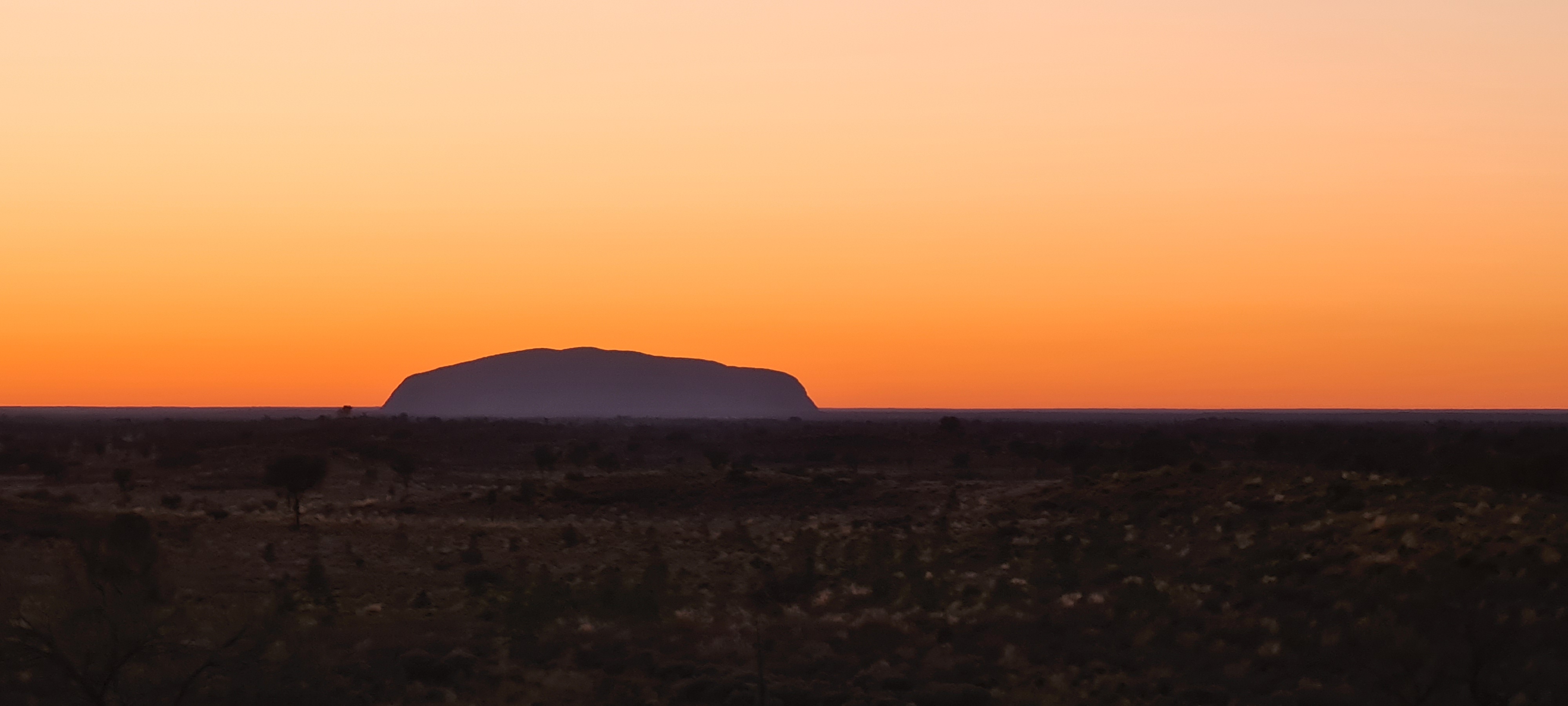
There are places in this world that don’t just capture your attention—they capture your soul. Uluru, also known as Ayers Rock, is one of them. Standing before this ancient, sacred monolith in the heart of Australia’s Northern Territory, you can’t help but feel a profound connection to the earth, to history, and to something far greater than yourself.
I visited Uluru in August a year or two ago, and let me tell you—it was perfect. Not too cold, not too hot. The desert was alive with wildflowers painting the landscape in bursts of color, and the flies? They weren’t yet at their peak. If you’re planning a trip, August is the sweet spot.
Why Uluru is More Than Just a Rock
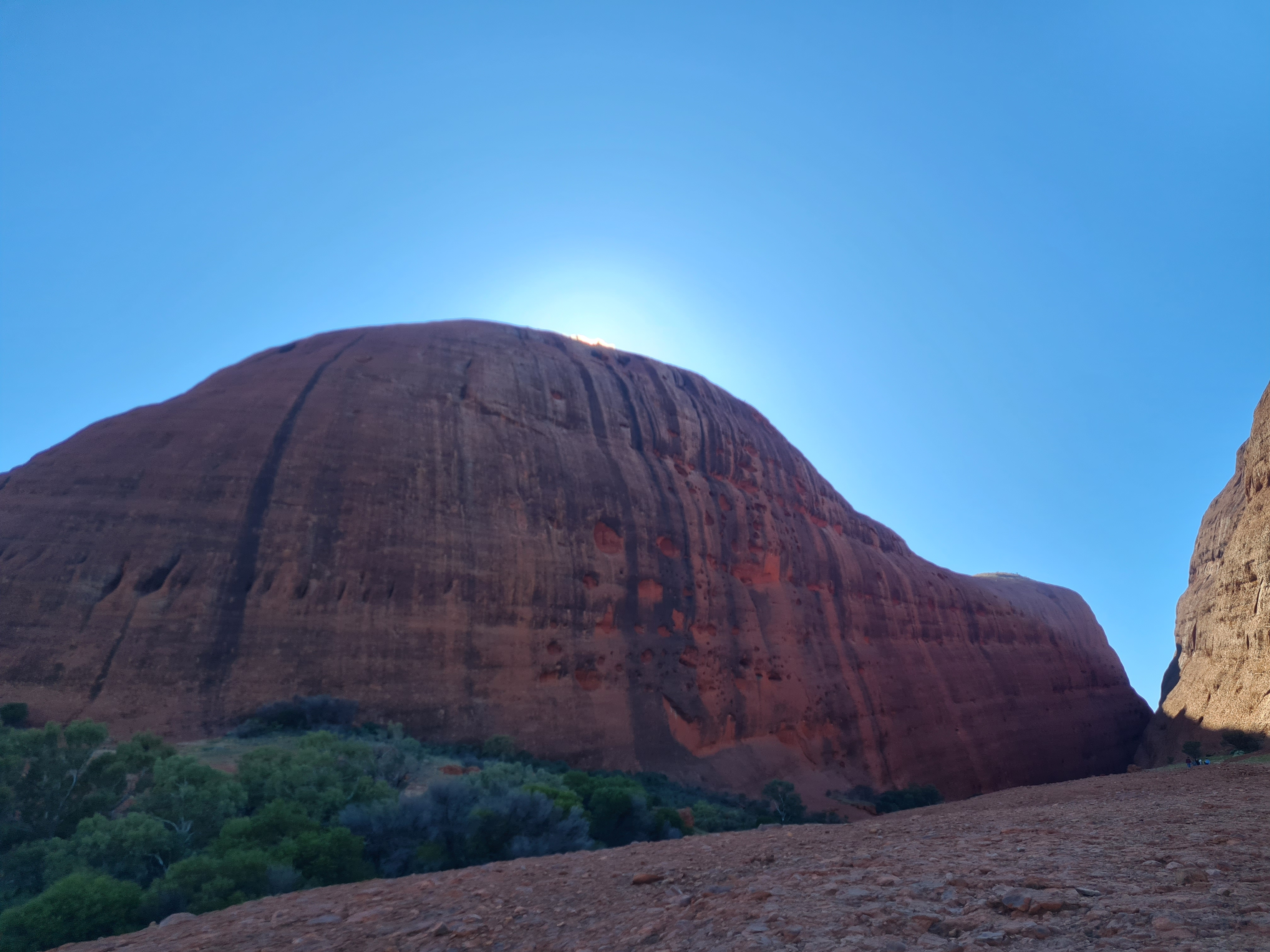
Image: The ancient, spiritual presence of Uluru
Uluru isn’t just a geological wonder—it’s a living cultural landscape. For the Aṉangu people, the traditional owners of the land, Uluru is a deeply sacred site, a place of ancestral stories, law, and spirituality. It’s said that the rock holds the dreams and memories of the Earth itself.
When you stand at its base, you’re not just a tourist—you’re a pilgrim. The energy of the place is palpable. The way the light dances across its surface at sunrise and sunset, turning it from a deep ochre to a fiery red, feels like the Earth breathing. It’s no wonder this place has been a site of ceremony and reverence for tens of thousands of years.
“Uluru is not just a place you see. It’s a place you feel.”
The Best Time to Visit: August
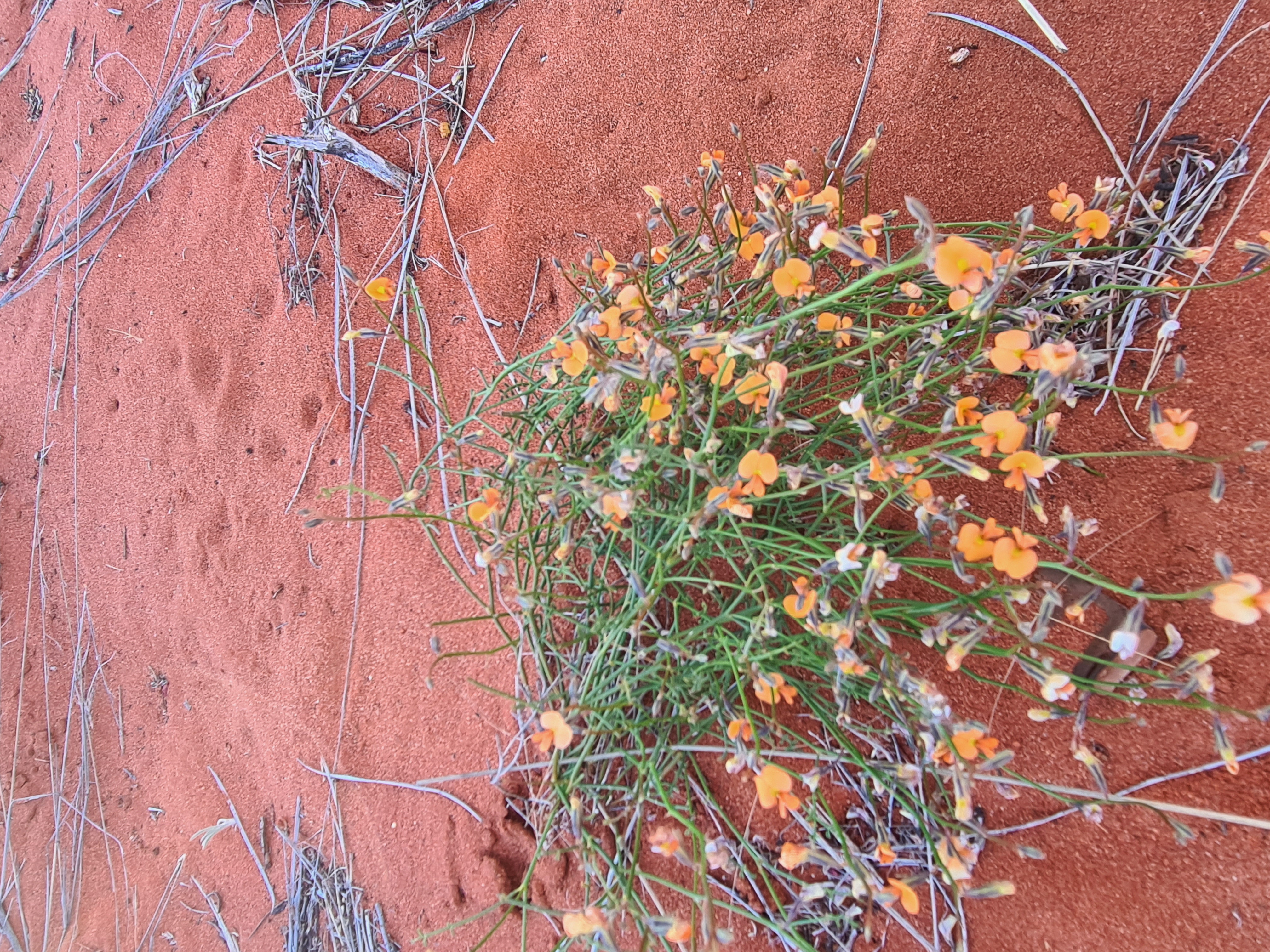
Image: Wildflowers and mild weather in August
Timing is everything when it comes to Uluru. The Northern Territory can be brutally hot in the summer months (December to February), with temperatures soaring above 40°C (104°F). Winter (June to August) is more comfortable, but August strikes the perfect balance:
- Temperature: Cool mornings and pleasant days (around 20–25°C / 68–77°F). Perfect for hiking the base walk or exploring the Field of Light art installation at dusk.
- Wildflowers: The desert comes alive with native blooms, adding splashes of purple, yellow, and white to the red earth. It’s a photographer’s dream.
- Fewer Flies: The infamous Australian bush flies are less of a nuisance in August. Trust me—this alone is worth planning your trip around!
If you visit in spring (September–November), you’ll still catch wildflowers, but the flies start to return. Autumn (March–May) is also a great time, but August is my top recommendation for the ideal Uluru experience.
What to Do at Uluru: Beyond the Rock
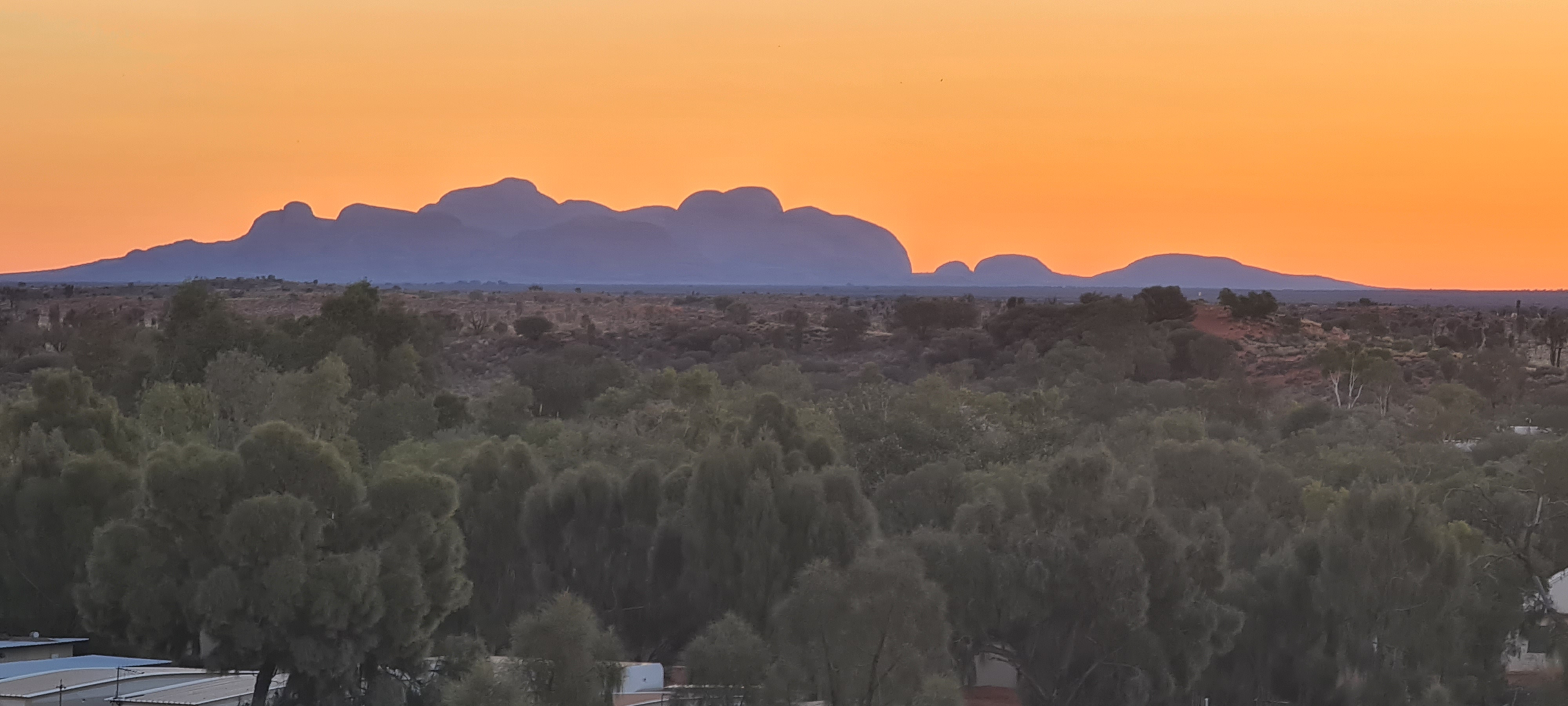
Image: Kata Tjuta at sunrise or the Field of Light
While Uluru is the star of the show, the surrounding area offers unforgettable experiences:
🌅 Sunrise or Sunset Viewing
There’s a reason this is the #1 activity at Uluru. The way the rock glows as the sun rises or sets is nothing short of magical. The sunrise viewing area and sunset viewing area are both easily accessible, and the colors will leave you speechless.
🥾 Base Walk
A 10.6 km (6.6 mile) loop around the entire base of Uluru. It’s the best way to appreciate its sheer size and intricate details, from caves to ancient rock art. Take your time—this isn’t a race. Bring plenty of water and wear a hat!
✨ Field of Light
An immersive art installation by Bruce Munro, where 50,000 solar-powered lights illuminate the desert floor at dusk. It’s like walking through a galaxy on Earth. Book your tickets in advance—this is a must-see.
🏜️ Kata Tjuta (The Olgas)
Just 40 km (25 miles) west of Uluru, Kata Tjuta is a group of 36 massive rock domes that are equally sacred and stunning. The Valley of the Winds walk is a highlight—prepare to be awestruck.
🍽️ Sounds of Silence Dinner
A gourmet dining experience under the stars, with Uluru as your backdrop. Enjoy Australian delicacies, fine wine, and live didgeridoo music. It’s a bit pricey, but worth every penny for the atmosphere.
Respecting the Sacred: Do’s and Don’ts at Uluru
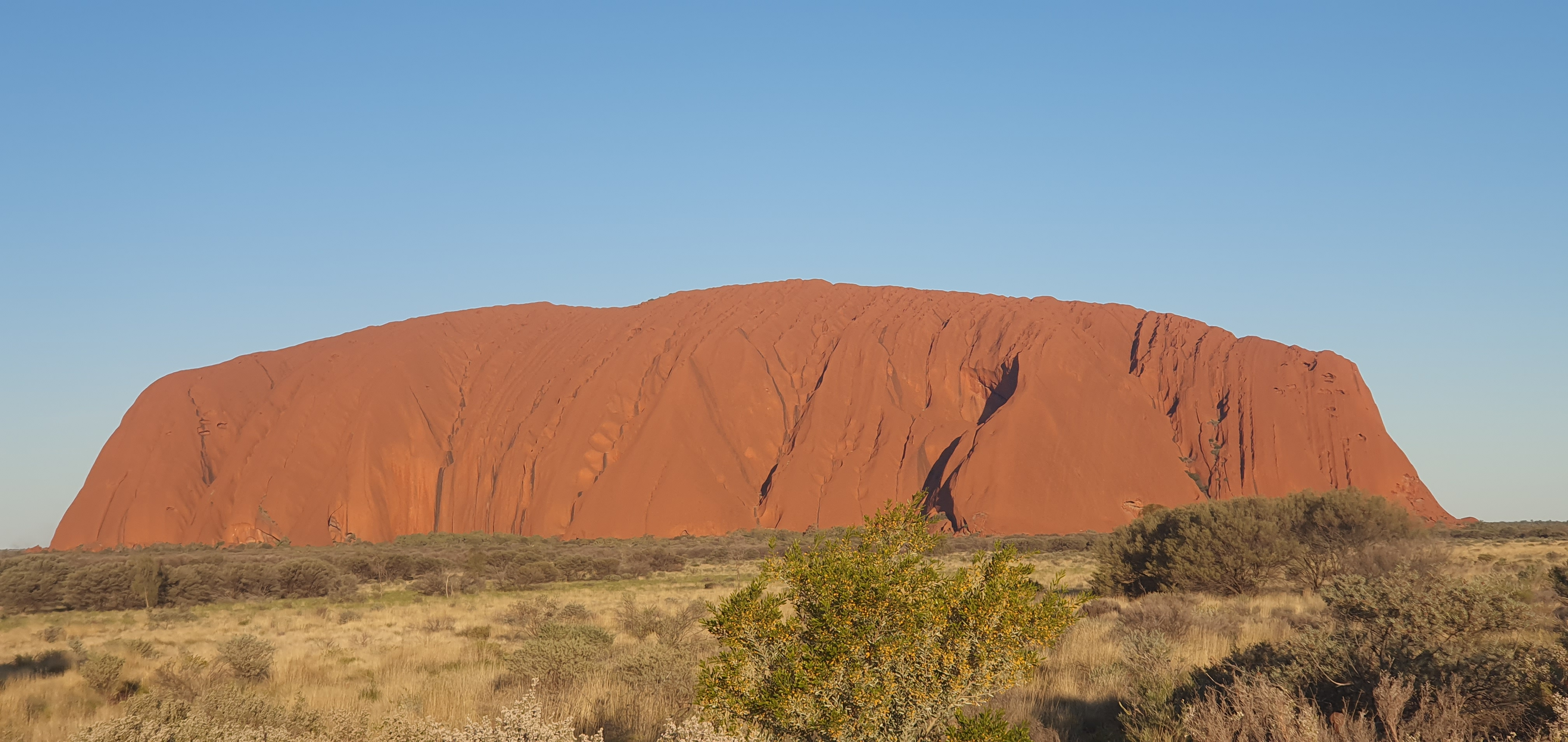
Image: Respecting the sacred land and culture
Uluru is a sacred site, and it’s important to visit with respect and awareness:
- ✅ Do: Walk the designated paths. Climbing Uluru is discouraged by the Aṉangu people and has been banned since 2019.
- ✅ Do: Take a guided tour with an Indigenous guide to learn about the cultural significance of the land.
- ✅ Do: Bring plenty of water—the desert is dry, and dehydration is a real risk.
- ❌ Don’t: Touch or take rocks from the site. It’s considered disrespectful and bad luck.
- ❌ Don’t: Leave rubbish behind. Leave no trace—this land is sacred.
Remember, you’re a guest on Aṉangu land. Treat it with the reverence it deserves.
Practical Tips for Your Visit
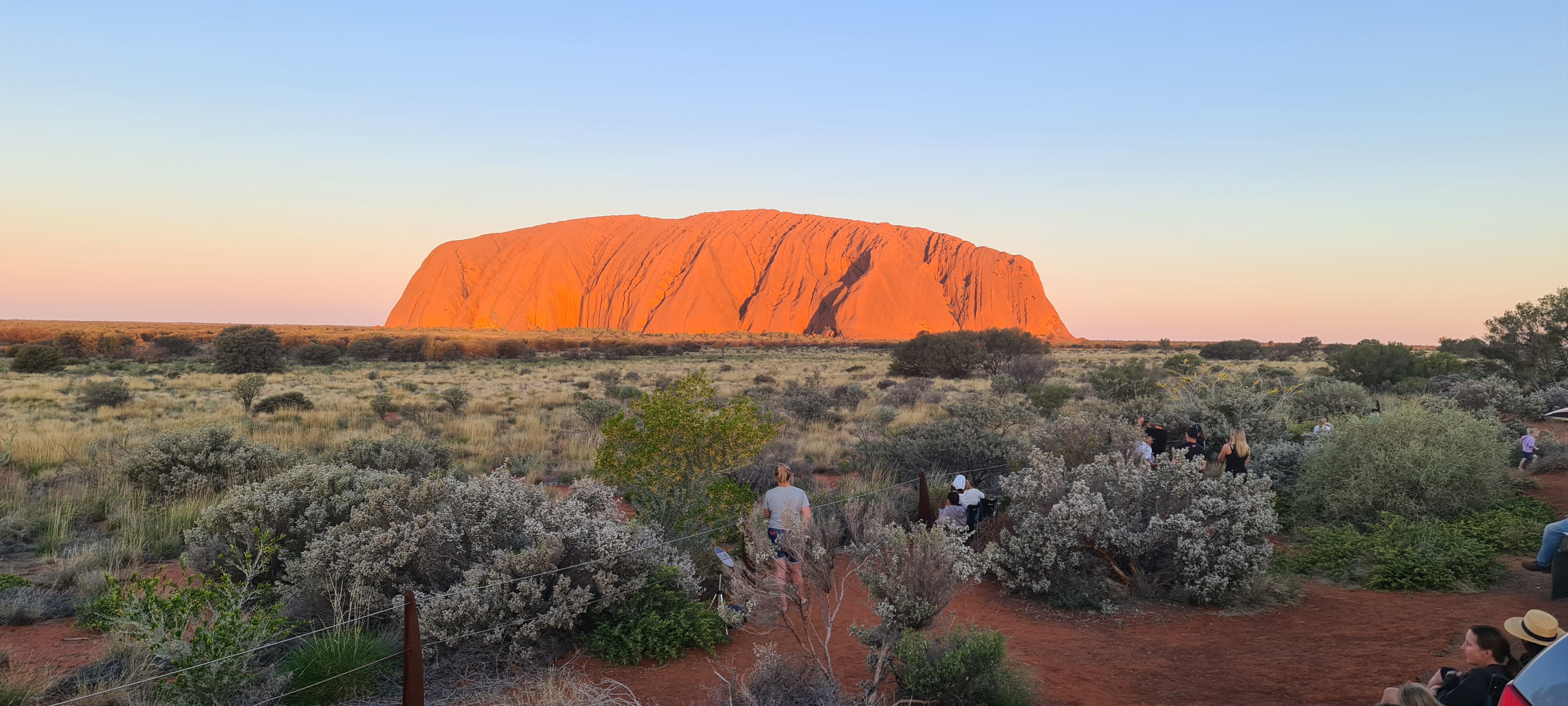
Image: Essentials for visiting Uluru
Here’s what you need to know to make the most of your trip:
🚗 Getting There
Uluru is remote—the nearest town, Yulara, is about 15 km (9 miles) away. Most visitors fly into Ayers Rock Airport (AYQ), which has direct flights from Sydney, Melbourne, Brisbane, and Alice Springs. Alternatively, you can drive from Alice Springs (466 km / 290 miles, ~5.5 hours).
🏨 Where to Stay
There are no hotels on Uluru itself—all accommodation is in Yulara. Options range from luxury resorts (like Ayers Rock Resort) to camping (try Outback Pioneer Lodge for budget-friendly stays). Book early, especially in peak season!
💰 Entry Fees
A 3-day park pass costs AUD $38 per adult (as of 2024). This gives you access to both Uluru-Kata Tjuta National Park and all its walking trails. Kids under 16 enter free.
🍽️ Food and Water
There are restaurants and cafes in Yulara, but they can be pricey. Pack snacks and a reusable water bottle—there are refill stations around the park. Stay hydrated!
Final Thoughts: Why Uluru is Worth the Journey
Image: The magic of Uluru at sunset
Uluru is one of those places that stays with you forever. It’s not just about ticking a box on your travel bucket list—it’s about connecting with something ancient and spiritual. The stillness of the desert, the vibrant colors, the stories of the land—it all comes together to create an experience that’s as transformative as it is beautiful.
If you’re on the fence about visiting, let me be the one to tell you: Go. Plan your trip for August, pack your sense of adventure, and prepare to be awed, humbled, and inspired.
“Uluru doesn’t just show you the world—it shows you yourself.”
🌍 Have you been to Uluru? Share your stories and tips in the comments below! And if you’re dreaming of a trip, let’s connect—I’d love to hear about your journey.